

How Do You Choose a Reliable Microscope Slide Manufacturer?
Choose a microscope slide manufacturer by checking written product specifications, the supplier's actual production role, representative samples, batch quality records and delivery capability. Compare quotations only after the proposed slides meet the laboratory's requirements. For recurring purchases, approve a trial shipment and agree how specifications, packaging and product changes will be controlled.
For laboratories, distributors and importers, supplier reliability means receiving the approved product consistently, with traceable lots and clear commercial responsibilities. A company description, attractive sample or low box price is only part of that decision.
This guide provides a practical method for evaluating microscope slide suppliers for routine purchases, bulk orders and OEM or private-label programs.
Microscope Slide Manufacturer Qualification: Quick Checklist
Evaluation area | Evidence to request | Decision it supports |
|---|---|---|
Product fit | Exact SKU, specification sheet and applicable instructions | Whether the slide matches the intended method and equipment |
Manufacturing role | Production site, processes performed and responsible company | Who controls manufacturing and approves changes |
Quality control | Inspection methods, acceptance criteria and representative lot records | How consistency is measured and documented |
Samples | Identified samples matching the proposed reference | Whether the offered configuration meets laboratory requirements |
Supply planning | MOQ, order-specific lead time and capacity discussion | Whether deliveries match the purchasing forecast |
OEM packaging | Approved artwork, pack specification and version control | Whether repeat orders preserve the agreed product identity |
Commercial terms | Comparable quantity, delivered cost and complaint procedure | What the buyer receives and who resolves problems |
Use this checklist to shortlist suppliers, then obtain the evidence relevant to your purchase. The depth of review can reflect the application, order size and importance of uninterrupted supply.
1. Define the Application and the Exact Slide Specification
Start with the laboratory's requirement. “Microscope slides” does not tell a supplier which specimen surface, marking area or glass format to quote.
Identify whether the purchase supports teaching, routine microscopy, cytology, histology, immunohistochemistry or a particular automated workflow. Record the current slide reference and instrument requirements where available.
Select the Specimen Surface and Marking Area Separately
Slide type or feature | Main selection purpose | Details to confirm |
|---|---|---|
Plain glass slide | Specimen preparation where an untreated surface meets the method | Dimensions, cleaning status and edge configuration |
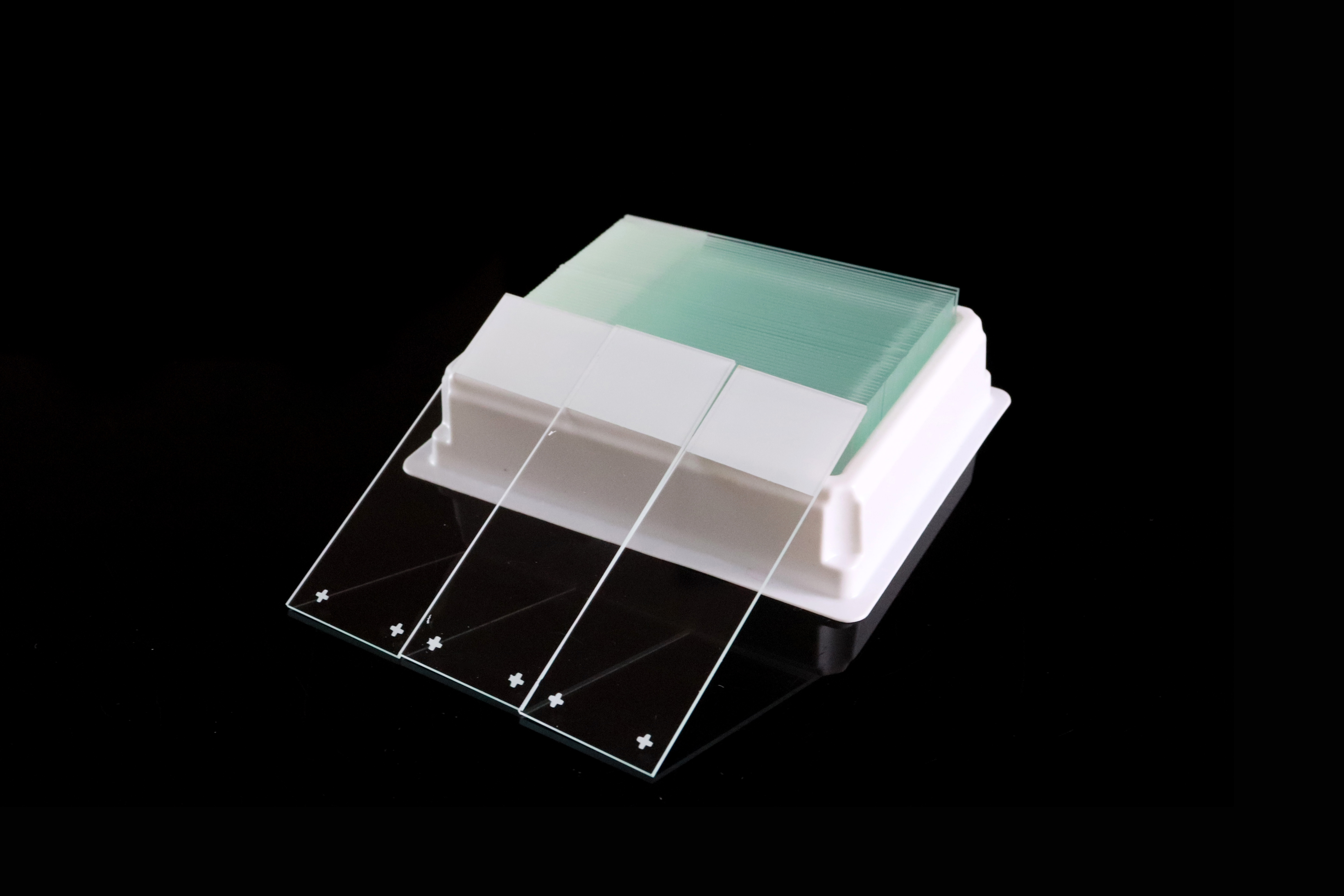
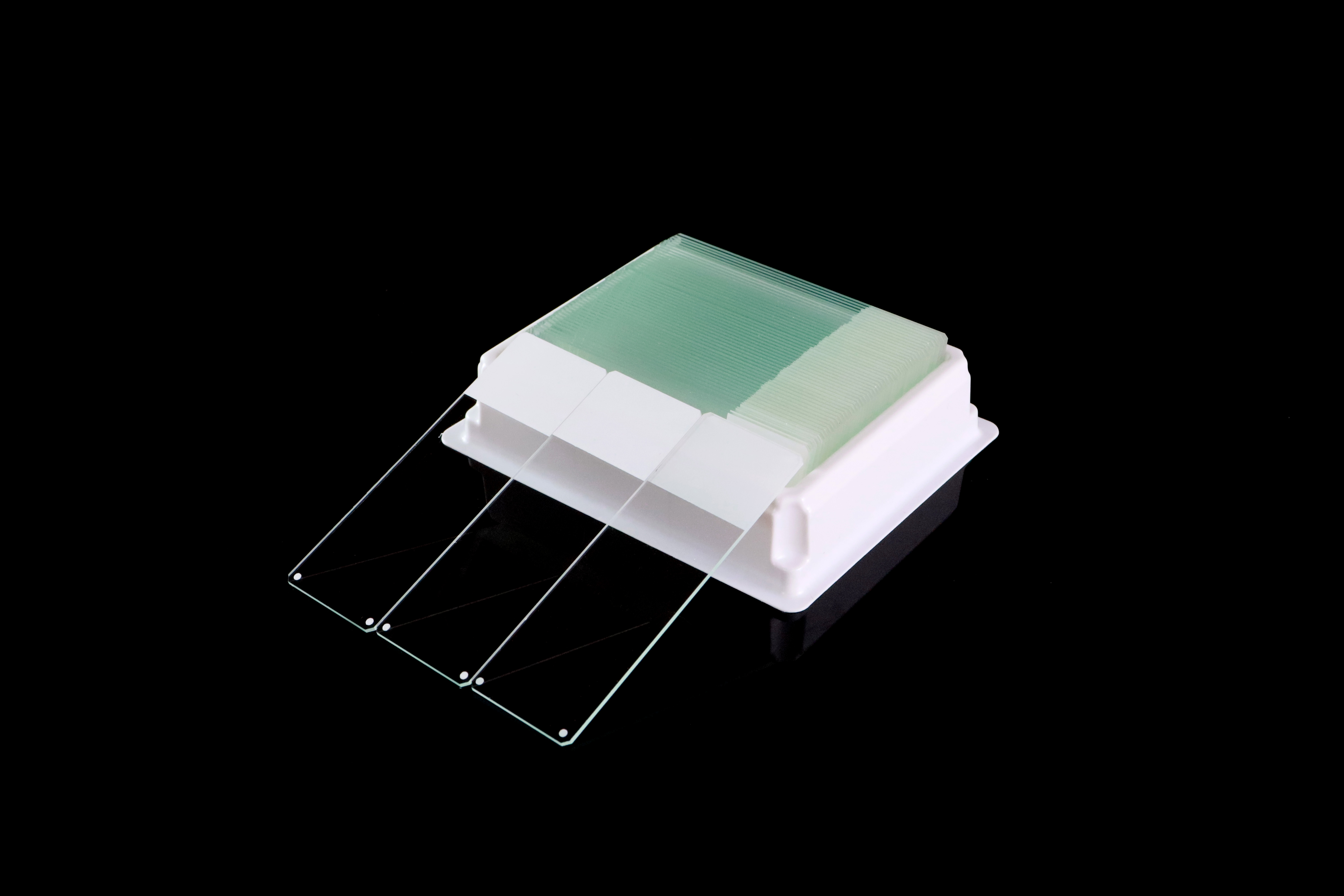
Frosted marking area | Handwritten identification or a specified labeling method | Position, dimensions and which face carries the area |
Color-frosted marking area | Specimen identification and color organization | Color, marking field and actual printer compatibility |
Positive charged slide | Tissue or cell retention when the method requires that treatment | Exact reference, intended use and workflow performance |
Adhesive slide | A manufacturer-defined adhesion treatment | Coating information and suitability for the laboratory process |
A marking field and an adhesion treatment perform different jobs. A slide may combine them, but a frosted or colored end alone does not establish tissue adhesion. Document both features in the purchase specification.
For a broader product overview, see our types of microscope slides guide.



2. Verify the Supplier's Manufacturing Role and Production Site
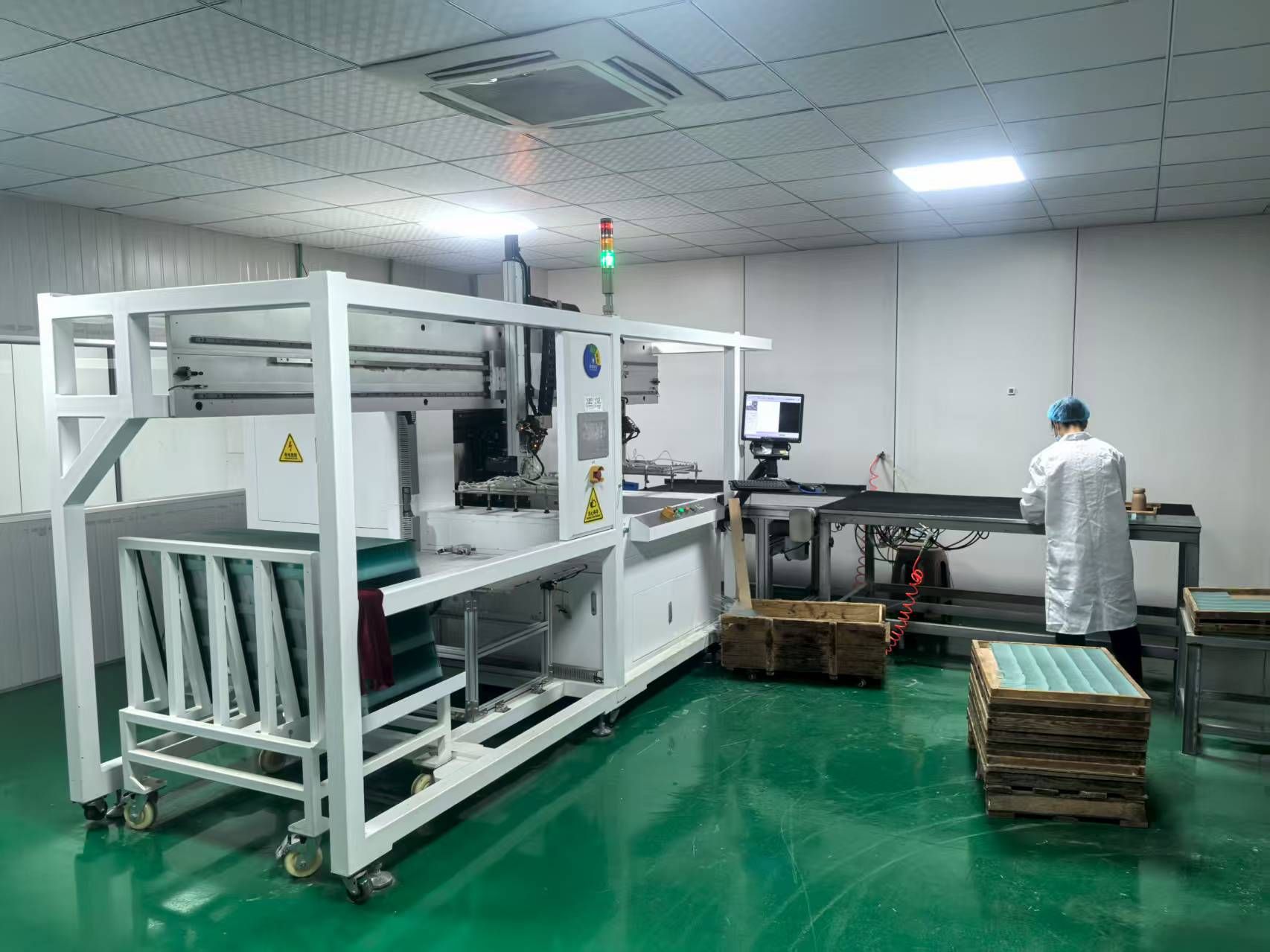
Ask which processes the supplier performs and where the offered slide is made. Confirm the legal company supplying the order, the production facility and the actual manufacturer of the proposed SKU.
Useful questions include:
Which glass cutting, edge finishing, washing, marking, coating and packing operations are performed at your facility?
Which stages, if any, are performed by another company?
Who approves changes to the glass, surface treatment or packaging?
Can the production and quality teams review our specification together?
What evidence can you provide for the proposed product and manufacturing site?
Company registration, site information, production discussions and relevant records can support the review. Photographs or years in business should be considered alongside that evidence. For purchases requiring a deeper review, arrange a production assessment appropriate to the order.
Manufacturer vs. Trading Company: Compare the Offered Service
Buying consideration | Direct manufacturer | Trading company or distributor |
|---|---|---|
Process information | Discuss its own production scope and any outsourced stages | Request information from the identified producing factory |
Customization | Confirm what its facility can make and approve | Confirm factory approval and who controls the specification |
Product consolidation | Consider its own range and any sourced items | May coordinate products from several factories |
Inventory and timing | Verify available stock and production scheduling | Verify held inventory and the factory's replenishment timing |
Quality responsibilities | Agree inspection, changes and complaint handling with the seller | Agree the same responsibilities and how factory issues are resolved |
Both routes can be appropriate. Evaluate the offered product, traceability, service and written commitments. The business category alone does not establish a lower price, better quality or faster delivery.
3. Assess Glass Quality, Dimensions and Edge Finish
Request a product sheet that identifies the glass material, dimensions, acceptable variation, edge finish, corner shape and cleaning status. Avoid approving an order using descriptive terms such as “premium glass” without the corresponding specification.
Common catalog formats include 25 × 75 mm, 25.4 × 76.2 mm and 26 × 76 mm. Chuangxin Medlab's microscope slide catalog lists these options. Check the exact proposed reference against the buyer's requirements rather than assuming the formats are interchangeable.
Look for Defined Properties and a Measurement Method
Ask how the supplier checks length, width, thickness and any specified flatness requirement. Distinguish a nominal value from its permitted limits and confirm that the stated specification applies to routine production.
Inspect samples for chips, cracks, scratches, visible particles and residue. Where optical properties matter to the application, agree how the laboratory will assess them. State glass composition or grade requirements explicitly when they form part of the purchase specification.
As an example of published material information, Paul Marienfeld's slide documentation identifies soda-lime glass and describes cleaning, edges and marking areas. Use that level of detail as a reference for the information to request; it does not establish the properties of another manufacturer's product.
Specify Edges and Corners as Separate Features
Cut edges, ground edges and clipped corners describe different aspects of the slide. Request a drawing or matching sample if a description is unclear. Check the equipment instructions for the required geometry and evaluate the offered slide in the actual handling system.
4. Review Quality Control, Batch Traceability and Documentation
Ask the supplier to explain how a production lot is inspected and released. A general statement about strict quality control is more useful when supported by defined checks and records.
Depending on the product, review controls for:
Glass material and incoming condition.
Dimensions, thickness and specified tolerances.
Edge defects, chips and cracks.
Surface cleanliness and visible defects.
Marking field position and labeling performance.
The relevant surface treatment or adhesion requirement.
Box counts, lot identification and shipping protection.
Request the inspection methods, sampling approach and agreed acceptance criteria. Identify which information will accompany the shipment. Do not assume that a certificate of analysis, individual inspection report or particular sampling plan is supplied unless it is part of the order agreement.
Check What a Certificate Actually Covers
If a supplier presents a management system certificate, check the legal entity, covered site, scope, issuing body and validity. ISO's conformity assessment guidance distinguishes management system certification from certification of a product.
Use the certificate alongside product documentation and sample evaluation. Ask for the instructions, labeling and supporting documents applicable to the intended use and destination. A certification logo does not replace evidence for the offered SKU.
Connect the Approved Sample to the Production Lot
Ask how lot numbers appear on boxes or cartons and how a reported issue can be linked to production records. Keep the approved specification and sample identity with the order file. For more detail on inspection topics, see microscope slide quality control.

5. Evaluate Representative Samples Before a Bulk Order
Test the configuration being quoted. A routine plain slide sample cannot establish the performance of a different charged slide, coating or marking field.
Identify the sample SKU, lot number where available, dimensions, surface treatment and packing format. Agree how samples will represent the intended production. For recurring supply, discussing samples from more than one pack or lot can help plan a broader evaluation; a small sample alone does not demonstrate future batch consistency.
Evaluate Physical Fit and Specimen Identification
Measure the specified dimensions and inspect edges and surfaces using the agreed method. Check handling in relevant holders or automated systems against their instructions.
For marked slides, test the actual pen or printer. Evaluate barcode readability and marking durability through the laboratory's relevant processing steps. A generic claim of printer compatibility should be checked against the printer model and selected slide reference.
Validate Treated Slides in the Intended Workflow
For charged or adhesive products, ask the laboratory to assess tissue retention and staining behavior under its validated processing conditions. Record the slide code and lot together with the evaluation method and results.
Manufacturer terminology should be read at product level. For example, Marienfeld's HistoBond® page describes both adhesive retention through positive charge and a frosted marking area. This illustrates that labeling and specimen treatment can coexist; it does not establish equivalence between differently branded adhesion products.
Record what passed, what did not and which conditions were used. This creates a reference for the trial shipment and later purchase orders.
6. Compare Quotations by Slide Count and Delivered Cost
Request a quotation using the same product specification, total slide quantity and delivery destination. Identify the quoted sales unit before comparing box prices.
Illustrative price comparison: A USD 3.00 box containing 50 slides costs USD 0.060 per slide. A USD 4.00 box containing 72 slides costs approximately USD 0.0556 per slide. These are arithmetic examples, not current supplier prices, and exclude delivery costs.
For an actual purchase, compare:
Product price and total slide count.
Freight, insurance and other costs included in the offer.
Import and local delivery responsibilities.
Payment terms and quotation validity.
Handling of damaged or nonconforming goods.
An internal cost comparison can use:
Delivered cost per accepted slide = total delivered order cost ÷ slides accepted under the agreed inspection criteria.
Consider documented receiving or workflow costs where they affect the purchase. Price becomes more informative once the offers meet the same product and acceptance requirements. Our bulk microscope slide buying guide covers the broader purchasing process.
7. Confirm OEM and Private-Label Controls
For a distributor's branded range, approve the product specification and packaging artwork together. Specify the slide reference, marking field, color, box quantity, labels, barcodes and carton markings.
Ask the manufacturer to separate the MOQ and lead time for standard slides from those for custom printing or packaging. Clarify artwork approval, any setup charges and how later revisions will be controlled.
Before production, retain an approved packaging proof and an identified reference sample. Agree whether changes to glass, dimensions, treatment or printing require written approval. A private-label box should remain linked to the actual manufacturing and lot information needed by the buyer.
For the details to include in an OEM discussion, see private-label microscope slides.
8. Match Capacity and Lead Time to Your Purchasing Forecast
Ask for an order-specific schedule that separates sample preparation, artwork approval, production, inspection and shipment. Transit time should be discussed separately from manufacturing lead time.
A headline monthly capacity figure does not show what can be allocated to your order. Discuss the available capacity for the required coating, marking process and packaging, along with other scheduled commitments.
Provide a realistic forecast: expected trial volume, repeat order frequency and preferred dispatch dates. Ask how the supplier will communicate delays or changes and whether partial shipments are possible if the buyer requires them.
Plan replenishment using consumption, agreed lead time and an appropriate inventory buffer. Confirm storage conditions and any product-specific shelf life before increasing stock substantially.
9. Review Packaging, Storage and Export Arrangements
Treat packaging as part of the approved product configuration. Confirm slides per box, boxes per carton, carton size, weight and any agreed pallet arrangement.
Discuss protection against transport impacts and the storage conditions stated by the manufacturer. For treated slides, obtain the relevant instructions and shelf-life information rather than applying another product's storage rules.
Review sample packaging, then inspect the trial shipment to see how the actual delivery performs. If a supplier claims packaging has been transport-tested, ask what configuration and test the claim applies to.
For export purchases, agree the dispatch point, delivery destination, named delivery term and division of responsibilities. Confirm how commercial invoices, packing details and other agreed documents will identify the order. Define what information the supplier needs when a buyer reports breakage or a count discrepancy.
10. Approve a Trial Shipment and Control Repeat Orders
After sample approval, use a trial shipment to evaluate the product, packaging, documentation and order handling at a suitable scale. Set the quantity according to the application and purchasing plan.
Retain the approved specification, artwork version, sample identity, purchase order and relevant inspection results. Make the reference SKU and any agreed alternatives explicit on each repeat order.
Track issues that matter to the buyer, such as receiving defects, labeling problems, workflow performance, delivery dates and the resolution of complaints. Record results using consistent definitions so orders can be compared.
Agree a change notification process. If the supplier proposes different glass, coating, marking, packing or production arrangements, review the change before accepting it. A replacement sample may be appropriate when the change affects fit or application performance.
Microscope Slide Manufacturer RFQ Template
Provide the following information when requesting comparable offers:
RFQ item | Information to include |
|---|---|
Application | Laboratory use, validated method and relevant equipment |
Product | Slide type, current reference or required configuration |
Glass and geometry | Material, length × width × thickness, limits, edges and corners |
Identification | Marking field, face, dimensions, color and printer or pen |
Specimen treatment | Untreated, charged or specified adhesive treatment |
Quantity | Total slides, slides per box, trial order and repeat forecast |
OEM packaging | Artwork, label requirements, box count and carton configuration |
Quality evidence | Sample identity, inspection requirements, lot marking and documents |
Commercial offer | Currency, MOQ, lead time, payment, validity and destination |
Example request:
"Please quote two alternatives for an order of 20,000 microscope slides: an untreated specimen surface and a positively charged specimen surface. Each alternative should cover 20,000 slides, with 50 slides per box. We require 25 × 75 mm glass slides, nominal thickness 1.0 mm with declared limits, ground edges, 90° corners and a single marking end. Include matching samples, manufacturer codes, carton details, MOQ, production timing and delivery terms to our stated destination. Please also identify any additional requirements for private-label packaging."
This example is a starting point. Replace its dimensions, labeling and treatment with the buyer's actual requirements; the quotation should state which proposed items meet them.
How Chuangxin Medlab Supports Microscope Slide Supplier Evaluation
Yancheng Chuangxin Medlab Co., Ltd. is a China-based manufacturer and exporter operating under the S.D.T.C. brand. Its published slide range includes:
For a supplier evaluation, provide the intended application, specification, sample needs, packaging and order forecast. Request the matching product information and a written offer covering the agreed configuration.
OEM and private-label discussions can include marking areas, labels, boxes and carton requirements. Confirm the selected product, MOQ, sample availability and production schedule for the individual inquiry.
This guide is published by Chuangxin Medlab. Apply the same specification review, sample evaluation and commercial comparison when considering our products as when evaluating another supplier.


Frequently Asked Questions
What Should I Check First When Choosing a Microscope Slide Manufacturer?
Define the application and exact slide specification, then verify who manufactures the offered product. Request written specifications, identified samples, relevant quality records and delivery terms before comparing suppliers on price.
How Can I Verify That a Supplier Manufactures Microscope Slides?
Confirm the production site and ask which cutting, finishing, washing, treatment and packing operations the company performs. Review site information and relevant records together. A company description or factory photograph alone does not establish the production scope for your.
Is a Manufacturer Always Better Than a Trading Company?
Both can meet a buyer's needs. A factory inquiry can provide access to its production team, while a distributor or trader may offer inventory or product consolidation. Assess the offered product, traceability, customization process and written responsibilities.
Does an ISO Certificate Guarantee the Quality of Every Slide?
Management system certification and product certification are different forms of evidence. Check the certificate's scope and validity, then evaluate the offered slide's specification, lot records and samples. The certificate does not replace the buyer's product acceptance process.
Are Frosted Slides Suitable for a Workflow Requiring Tissue Adhesion?
A frosted marking area supports identification. If the laboratory requires tissue adhesion, request a specifically documented charged or adhesive specimen surface and assess the exact reference under the laboratory's validated conditions.
How Should I Evaluate Samples for a Bulk Order?
Record the sample lot where available and configuration. Check dimensions, edges, cleanliness, identification and relevant equipment fit. For treated slides, include the intended specimen workflow. Retain the results and acceptance criteria for the trial shipment.
What Should an OEM Microscope Slide Quotation Include?
It should identify the product specification, artwork version, slide count, packing arrangement, MOQ, sample process, setup costs if applicable, production timing and delivery terms. Agree how changes and repeat orders will be controlled.
How Should I Compare Microscope Slide Prices?
Convert offers to the same slide count and confirm the sales unit. Compare delivery inclusions, payment terms and acceptance requirements alongside product price. A higher box price may contain more slides, so box price alone is insufficient.
Request Specifications, Samples and a Bulk Quotation
To evaluate Chuangxin Medlab for your next order, send your microscope slide requirements, including the application, exact configuration, quantity, packaging and destination.
Use the product sheet and identified samples to agree a trial specification. Approve recurring supply once the product and commercial arrangements meet the buyer's requirements.